Getting the right vaccinations is a simple yet crucial step to safeguard yourself against various infectious diseases present in the region.
Below is a guide to the most advised vaccinations for travelers and residents in Cambodia, and why each one is so important.

1. Routine Vaccinations
Before considering travel-specific vaccines, ensure you are up to date on all your standard, routine immunizations.
These form the baseline of protection globally:
| Vaccine | Why It’s Important in Cambodia |
| Measles, Mumps, Rubella (MMR) | Prevents highly contagious viral diseases. Outbreaks can occur, making full immunity essential for both adults and children. |
| Tetanus, Diphtheria, Pertussis (Tdap) | Tetanus is a risk worldwide, especially from contaminated cuts or wounds. The bacteria are found in soil. Diphtheria and Pertussis (whooping cough) are also highly contagious and pose risks. Boosters are typically needed every 10 years. |
| Polio | Though eliminated in many regions, ongoing efforts are needed. Ensuring lifetime immunity via a booster is often recommended for travel to or residence in this region. |
| Influenza (Flu) | Seasonal flu is common. The vaccine helps prevent severe illness and complications, which is especially important when accessing healthcare might be difficult. |
2. Food and Waterborne Disease Vaccines
Contaminated food or water is a primary source of illness in Cambodia. These vaccines protect against the most common and serious threats:
Hepatitis A
- Why It’s Important: Hepatitis A is a viral liver disease highly prevalent in areas with poor sanitation. It is spread through the consumption of contaminated food or water, or close contact with an infected person.

- Protection: The vaccine offers excellent protection against a disease that causes symptoms like fever, fatigue, vomiting, and jaundice, which can seriously disrupt your travel or residency plans. It’s recommended for all travelers to the region.
Typhoid Fever
- Why It’s Important: Typhoid is a serious bacterial infection (Salmonella Typhi) spread through contaminated food and water. It is endemic to Cambodia.

- Protection: Vaccination is strongly advised, especially if you plan to visit smaller towns, rural areas, or are an “adventurous eater” trying street food. Typhoid can cause high fever, severe stomach pain, and can lead to life-threatening complications if untreated.
- Cambodia has also seen a high burden of drug-resistant typhoid strains, making prevention via vaccination even more critical.

3. Mosquito-Borne Disease Vaccines
While diseases like Dengue and Malaria require precautions like netting and repellents, two key mosquito-borne viruses have effective vaccines:
Japanese Encephalitis (JE)
- Why It’s Important: JE is a serious viral infection transmitted by mosquitoes, primarily in rural and agricultural areas, especially those near rice paddies or pig farming.
- It causes brain inflammation (encephalitis) and has a high fatality rate, with many survivors suffering from permanent neurological damage.

- Protection: The vaccine is highly recommended for long-term travelers (over one month), and for shorter trips if you plan to spend time outdoors, in rural areas, or are visiting during the transmission season. Cambodia has included this vaccine in its national immunization program, highlighting its importance.

Dengue
- Dengue is a year-round threat in Cambodia, where the virus is hyperendemic.

- While mosquito protection (repellents and covering clothing) remains the primary defense, a vaccine like Qdenga® (TAK-003) may be considered. The European Medicines Agency decided that Qdenga’s benefits are greater than its risks and it can be authorised for use in the EU.
- The vaccine can be given to adults, adolescents and children from 4 years of age.
- It contains attenuated (weakened) versions of dengue virus serotypes (varieties) 1, 2, 3 and 4.
- This vaccine is particularly relevant for long-term residents and frequent travelers who face a higher cumulative risk of exposure and, potentially, severe illness during a second infection.
- Consult with your doctor to determine if the complete vaccination schedule (two doses over three months, available at Intercare) is appropriate for the duration and nature of your stay in Cambodia.

4. Animal-Borne Disease Vaccine
Rabies
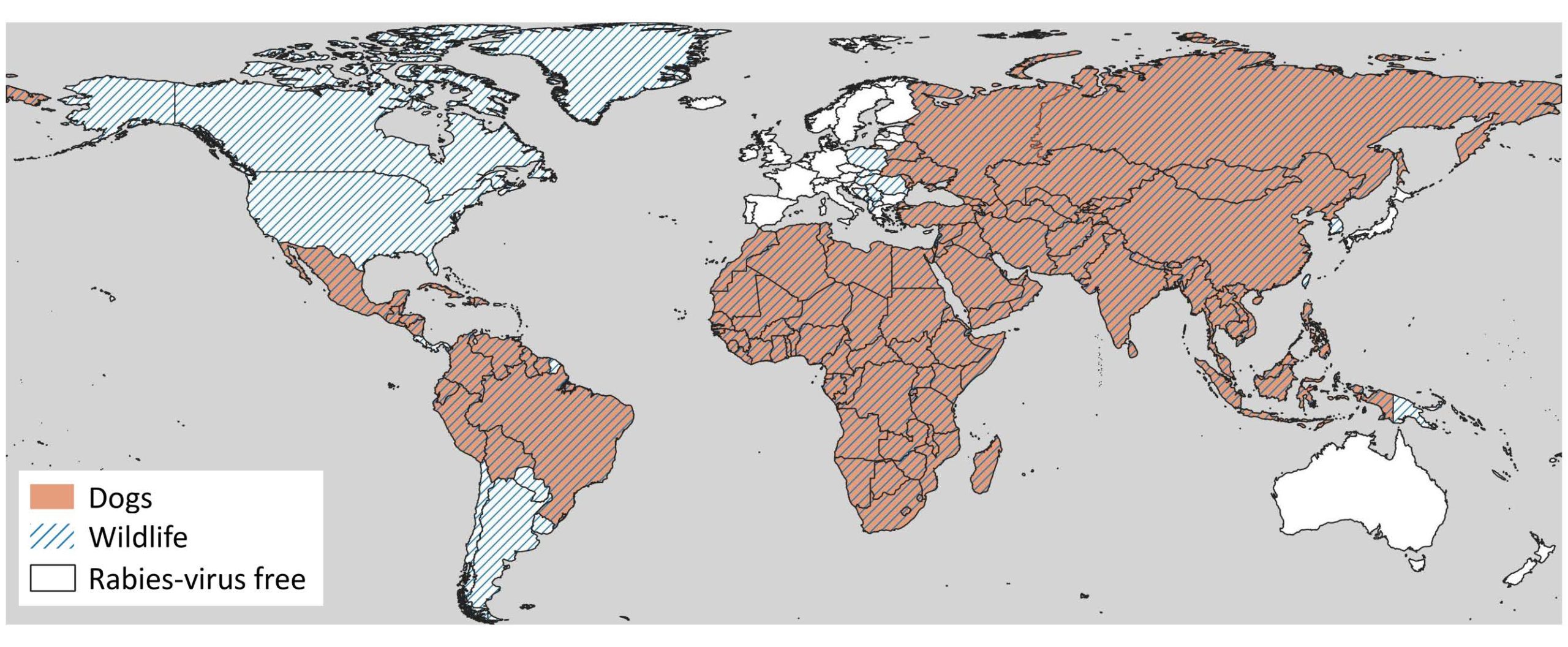
- Why It’s Important: Rabies is a viral disease that is nearly 100% fatal once symptoms appear. It is transmitted through the bite, scratch, or lick of an infected mammal, most commonly stray dogs in Cambodia.

- Protection:
- Pre-exposure prophylaxis (the vaccine) is recommended for long-term residents, adventure travelers, and those working directly with animals.
- While the vaccine doesn’t eliminate the need for post-exposure treatment after a bite, it simplifies the follow-up medical care, crucial in an area where Rabies Immune Globulin (RIG) might be scarce or difficult to access.
- Avoiding contact with stray animals is also a key preventive measure.
- If you get bitten:
- Wash the wound immediately with soap and water for 15 minutes.
- Seek medical care urgently for post-exposure vaccination: immunoglobulin, vaccination in emergency (as soon as possible, < 24h after the exposure, 3 injections day 0/day 3/day 7)
- Never ignore even a small bite.

5. Sexually Transmitted Infections (STIs)
Hepatitis B
Hepatitis B (Hep B) is a serious viral infection transmitted through blood and other bodily fluids, including sexual contact, medical procedures using non-sterile equipment, or contaminated sharp objects (like tattoo or piercing needles).

Because of these transmission risks and the high prevalence of the virus in Southeast Asia, the Hep B vaccine is strongly recommended for all travelers, and is considered essential for long-term stays, frequent trips, or individuals who may engage in high-risk activities.
The standard vaccine series is administered over several months and provides lifelong protection against this primary cause of liver damage, cirrhosis, and liver cancer.

Vaccinations calendar

| Vaccine | Disease Protected Against | Minimum Number of Injections | Typical Timing/Schedule |
| Hepatitis A | Liver infection from contaminated food/water | 2 | Dose 1, followed by Dose 2 (6-12 months later) for long-term protection. |
| Typhoid | Bacterial infection from contaminated food/water | 1 (Injectable) or 4 (Oral) | Single injection, or 4 capsules taken over 8 days. Booster needed every 2-5 years. |
| Hepatitis B | Liver infection from blood/fluids (sexual contact, needles) | 3 | Schedule: 0, 1 month, and 6 months (Accelerated schedules exist). |
| MMR | Measles, Mumps, Rubella | 1 or 2 | If prior vaccination status is unknown, 1 dose is often given. 2 doses are standard. |
| Tetanus/Diphtheria/Pertussis (Tdap) | Tetanus (wounds), Diphtheria, Pertussis (Whooping Cough) | 1 (Booster) | Single booster dose if it has been 10 years or more since the last Tdap/Td. |
| Japanese Encephalitis (JE) | Viral brain infection from mosquitoes | 2 | Dose 1, followed by Dose 2 (7 to 28 days later). |
| Rabies | Fatal virus from animal bites | 3 | Schedule: Dose 1, Dose 2 (7 days later), Dose 3 (21 or 28 days later). |
| Dengue (Qdenga®) | Viral infection from mosquitoes | 2 | Dose 1, followed by Dose 2 (3 months later). |
Medical consultation
Vaccination recommendations are always personalized based on your exact itinerary (rural vs. urban), the duration of your stay, your current health status, and your pre-existing vaccination history.
Always consult with a healthcare professional or a travel medicine specialist at least 4 to 6 weeks before your trip to create a vaccination plan that is right for you.
Intercare Hospital – Vaccines available
| Brand Name | Description |
| ADACEL 0.5ML | Tdap (Tetanus, Diphtheria, Pertussis) |
| TD 0.5ML | Td (Tetanus, Diphtheria) |
| HEXAXIM 0.5ML | DTaP-IPV-Hib-Hep B (6-in-1 pediatric) |
| PENTAXIM 0.5ML | DTaP-IPV-Hib (5-in-1 pediatric) |
| PRIORIX 0.5ML | MMR (Measles, Mumps, Rubella) |
| VARIVAX 0.5ML | Varicella (Chickenpox) |
| PREVNAR 13 0.5ML | Pneumococcal 13-valent conjugate |
| PNEUMOVAX 23 0.5ML | Pneumococcal polysaccharide 23 |
| AVAXIM 160 U 0.5ML | Hepatitis A (Adult) |
| HAVRIX 720 0.5ML | Hepatitis A (Children) |
| Engerix B 20mcg Adult | Hepatitis B (Adult) |
| Engerix B 10mcg Pediatric | Hepatitis B (Children) |
| VAXIGRIP TETRA 0.5ML | Influenza (Flu) |
| VERORAB 0.5ML | Rabies |
| TYPHIM VI 0.5ML | Typhoid |
| IMOJEV 0.5ML | Japanese Encephalitis |
| GARDASIL 4 0.5ML | HPV (4-valent) |
| GARDASIL 9 0.5ML | HPV (9-valent) |
| TWINRIX 1 ML | Combined Hepatitis A and Hepatitis B |
| BERIRB. P 300IU | Human Immunoglobulin Rabies (RIG) |
| SHINGRIX 0.5ML | Herpes Zoster (Shingles) |
| MENQUADFI 0.5ML | Meningitis (A, C, Y, W-135) |
| ROTARIX 1.5ML | Rotavirus (Oral) |
| ENTROVAC EV-71 0.5ML | Enterovirus Type 71 (Hand, Foot, and Mouth) |
| QDENGA 0.5ML | Dengue Tetravalent (Serotypes 1, 2, 3, and 4) |